

Back to all articles

Flood Insurance vs. Homeowners in South Florida: Closing the Coverage Gap Before Peak Hurricane Season

Here is the sentence that surprises people after every storm: your homeowners policy does not cover flood damage. In a region where a heavy afternoon downpour can put water in your living room, that gap is the difference between a claim and a catastrophe. With the busiest weeks of hurricane season just ahead, here’s exactly how flood insurance works, what it costs, and why the calendar — not the forecast — is what should drive your decision.

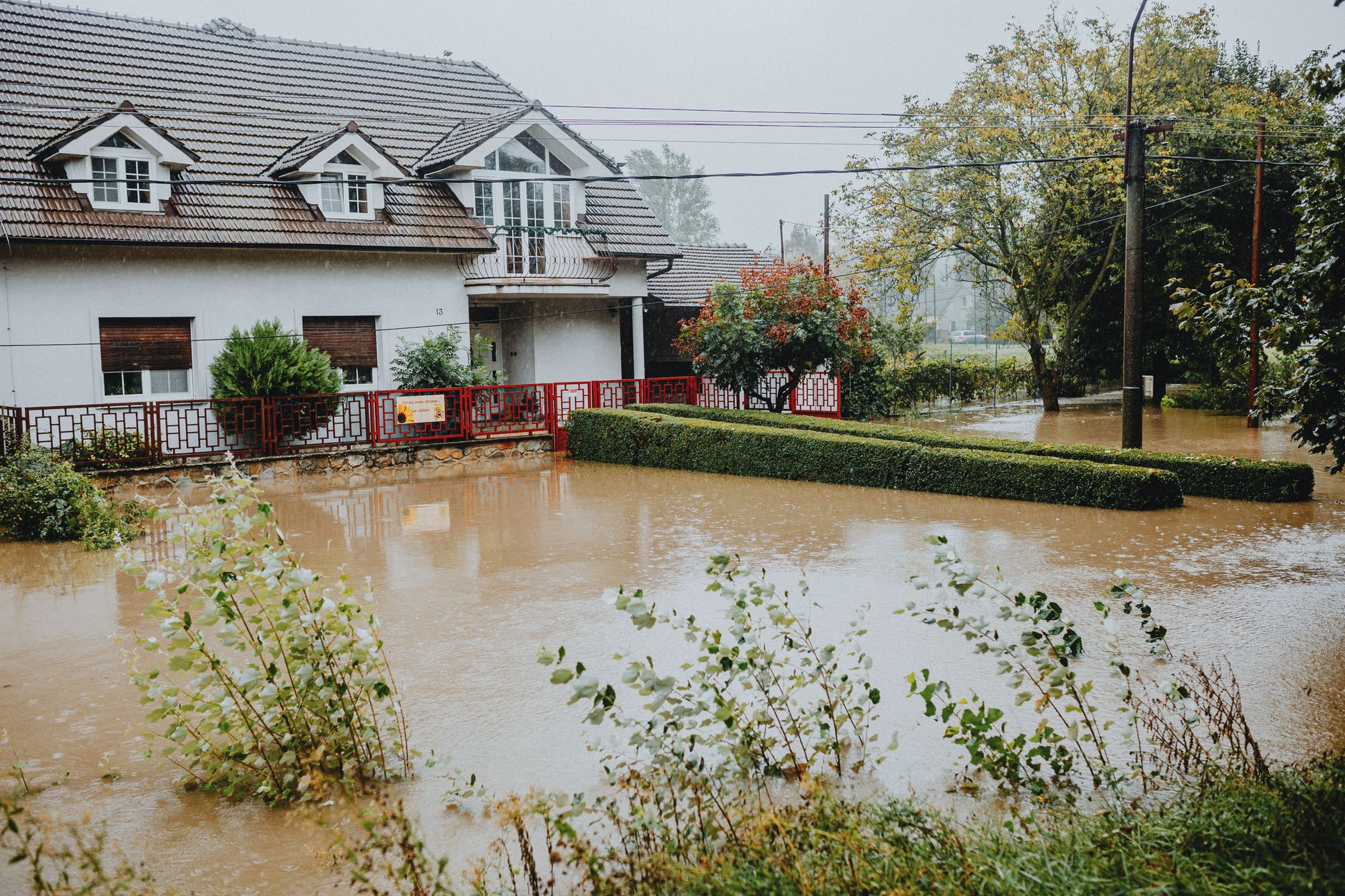
A flooded residential street with water surrounding homes after a storm

Most South Florida homeowners believe they’re covered for water damage. They have a homeowners policy, they pay it every month, and they assume that if a storm pushes water into the house, the policy pays. Then the water comes — from a king tide, a stalled thunderstorm, a canal that jumped its bank, or a hurricane’s surge — and they learn the hard way that a standard homeowners policy specifically excludes flood damage.1

It is one of the most consequential gaps in personal finance, and it is almost entirely invisible until the day it matters. Flooding is the most common and costly natural disaster in the United States, and nowhere is the exposure higher than in low-lying, coastal South Florida. Yet flood coverage is a separate policy that you have to choose to buy — and, crucially, one you generally can’t buy at the last minute once a storm is on the map.

This guide lays out the whole picture for a Broward County reader: why your homeowners policy won’t pay, what actually counts as a “flood,” the two ways to buy flood insurance and what each covers, the waiting period that makes timing everything, how prices are set now, and the single most expensive myth in the whole subject — “I’m not in a flood zone, so I don’t need it.”

Key takeaways

  • A standard homeowners policy excludes flood damage — flood is a separate policy you buy on purpose.1
  • Federal NFIP coverage caps residential policies at $250,000 for the building and $100,000 for contents; private flood policies can go higher.1
  • A new NFIP policy typically has a 30-day waiting period before it takes effect — you cannot buy it as a storm approaches.2
  • More than 40% of NFIP flood claims come from outside high-risk flood zones — “not in a flood zone” does not mean “no flood risk.”3
  • Even in a forecast “below-normal” season, it only takes one storm — and the peak weeks (mid-August through mid-October) are just ahead.6

1. Why your homeowners policy won’t pay for a flood

Start with the fact that catches almost everyone off guard: a standard homeowners insurance policy in Florida does not cover damage from flooding. Flood is a named exclusion, right alongside things like earth movement. Your policy may cover other kinds of water damage — a burst pipe, a roof torn open by wind that lets rain in — but water that rises from outside and enters your home is a different category, and it’s carved out.1

That distinction — wind-driven rain versus rising water — is where a lot of post-storm disputes live. If a hurricane rips shingles off and rain pours through the hole, that’s typically a wind claim under your homeowners policy. If that same hurricane pushes a storm surge or dumps enough rain that water flows across the ground and into your house, that’s a flood, and only a flood policy pays for it. The same storm can produce both, which is exactly why South Florida homeowners so often need both kinds of coverage.

“But I have great homeowners insurance”

The quality of your homeowners policy is irrelevant to flood. A premium, top-tier homeowners policy still excludes rising-water flood damage. This isn’t a gap you can close by upgrading your homeowners coverage — it can only be closed with a separate flood policy.

2. What actually counts as a “flood”

In insurance terms, a flood is generally a temporary overflow of normally dry land by water — and it usually has to affect at least two acres or two or more properties to qualify. That definition matters, because it’s broader than the hurricane-surge image most people have in their heads. In South Florida, the water that damages homes often has nothing to do with a named storm at all:

  • Heavy rainfall. A slow-moving summer thunderstorm can drop several inches of rain in an hour — more than the drainage can handle — and flood streets and homes without any tropical system involved.
  • Storm surge. A hurricane or tropical storm can push ocean water inland, one of the most destructive forms of coastal flooding.
  • King tides and sea-level rise. South Florida’s low elevation and porous limestone mean seasonal high tides can push water up through storm drains and into streets, even on a sunny day.
  • Canal and drainage overflow. The region’s vast network of canals is designed to move water out — but during extreme rain, that system can back up.

The takeaway: you don’t need to live on the beach, and you don’t need a hurricane, to experience a flood that a homeowners policy won’t touch.
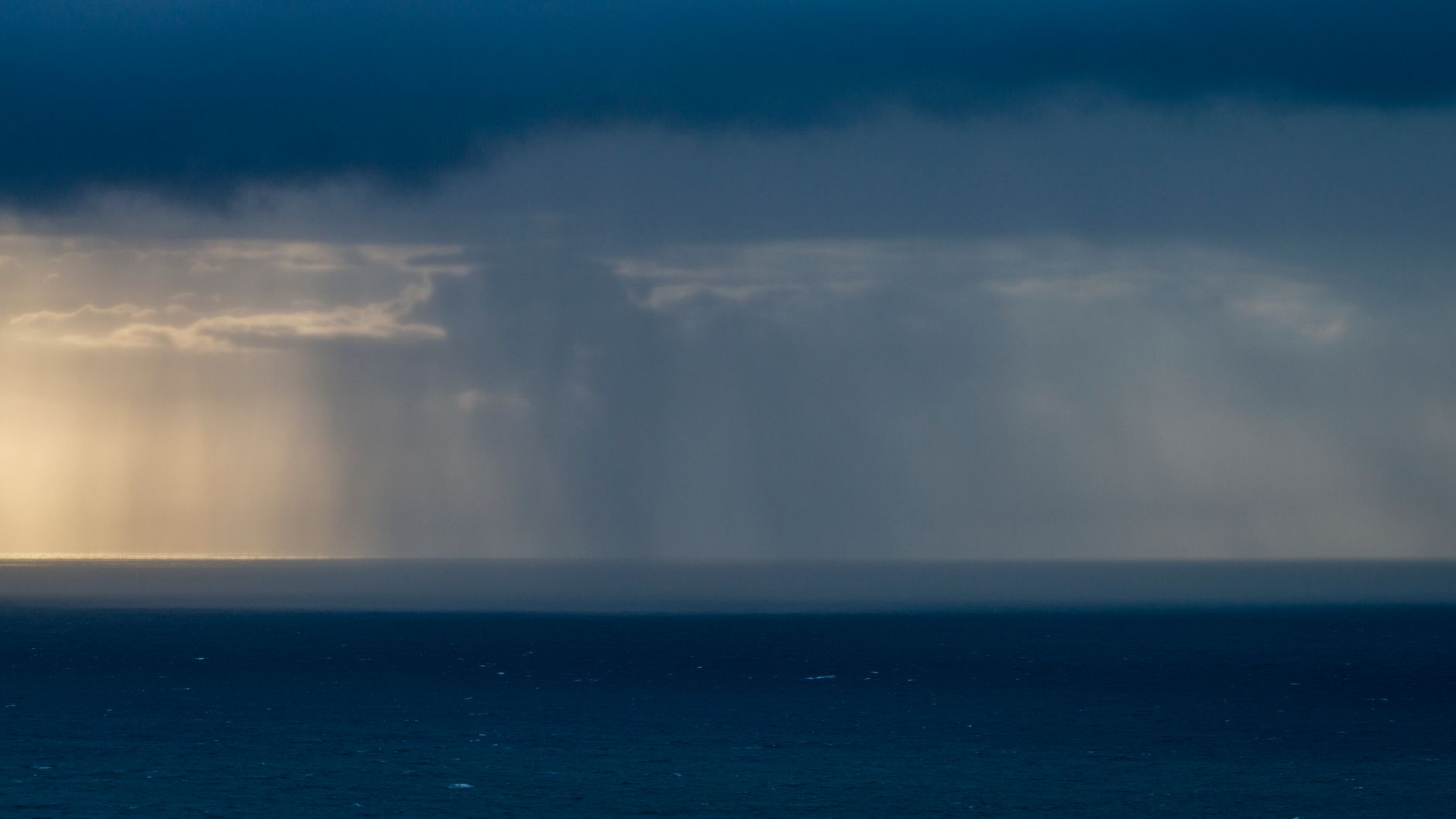
Dark storm clouds and heavy rain moving over a coastal neighborhood
In South Florida, a stalled downpour can flood a street in an afternoon — no named storm required. That’s the kind of water a homeowners policy excludes and a flood policy is built for.

3. Two ways to buy flood insurance: NFIP vs. private

There are two main channels for flood coverage, and it’s worth understanding both because the right answer depends on your home, your budget, and how much coverage you actually need.

The National Flood Insurance Program (NFIP)

The NFIP is a federal program run by FEMA. For decades it has been the backbone of flood coverage in the U.S., and policies are sold through participating private insurers and agents. Its pricing and rules are set federally, and its coverage amounts are capped: for a residential property, a maximum of $250,000 on the building and $100,000 on contents.1 For many modest homes those limits are enough; for higher-value homes they can leave a gap above the cap.

Private flood insurance

A growing private flood-insurance market now competes with the NFIP. Private policies are underwritten by private insurers and can, in many cases, offer higher coverage limits than the NFIP caps, sometimes broader features, and in some cases shorter waiting periods. Whether a private policy is available — and cheaper or better — than an NFIP policy depends on the specific property. For homes above the NFIP caps, or where a private carrier prices the risk more favorably, the private market is well worth comparing.

NFIP (federal)Private flood
Coverage limitsUp to $250k building / $100k contents (residential)Often higher limits available
AvailabilityWidely available in participating communitiesDepends on carrier appetite for the property
Waiting periodTypically 30 days for a new policySometimes shorter, varies by carrier
Pricing basisFEMA’s Risk Rating 2.0, by propertyCarrier’s own models
BackingFederal programPrivate insurer
A simplified comparison. The right choice depends on your home’s value, location, and the quotes available to you — which is exactly what an independent agent compares for you.

4. What flood insurance covers — and its limits

Flood insurance is generally split into two coverages you can buy together, and it helps to know the line between them — especially for what lives in your basement, garage, or ground floor.

  • Building coverage pays for the physical structure and its systems — foundation, electrical and plumbing, HVAC, water heaters, built-in appliances, permanently installed cabinetry and flooring, and the like.
  • Contents coverage pays for your personal belongings — furniture, clothing, electronics, and other movable items. It’s purchased separately, so a building-only policy would leave your possessions uncovered.

Two details matter for South Florida homes. First, coverage in below-ground or ground-level areas is limited — flood policies restrict what they’ll pay for finished space and belongings kept low in the home. Second, flood policies generally do not cover things like temporary living expenses while your home is repaired, or damage to landscaping and pools. Knowing these edges in advance keeps a claim from becoming a second surprise.

$250k
NFIP maximum building coverage for a residential property.1
$100k
NFIP maximum contents coverage — purchased separately.1
30 days
typical waiting period before a new NFIP policy takes effect.2
40%+
of NFIP flood claims come from outside high-risk flood zones.3

5. The 30-day waiting period: why timing is everything

If you remember one operational fact from this article, make it this one: a new NFIP flood policy generally does not take effect the day you buy it. There is typically a 30-day waiting period from the date you purchase until coverage begins.2 That rule exists to stop people from buying flood insurance only when a storm is already bearing down — which is precisely why you can’t treat flood coverage as a last-minute purchase.

Picture the timeline. A tropical system enters the Gulf or the Atlantic, the cone goes up, and South Florida rushes to prepare. If you try to buy an NFIP policy that week, it won’t be in force when the storm arrives — the 30-day clock won’t have run. The protection has to be in place before there’s anything on the map. That’s the entire reason this article is published in July, ahead of the season’s peak, rather than in September when everyone is watching the tropics.

“Flood insurance is one of the few financial decisions where the calendar matters more than the forecast. By the time a storm has a name, the window to buy coverage for it has usually already closed.”

There are narrow exceptions — for example, the waiting period generally doesn’t apply when flood insurance is required in connection with making, increasing, or renewing a loan, such as at a home purchase closing.2 Private flood policies sometimes carry shorter waiting periods as well. But the safe assumption for a homeowner shopping on their own is simple: buy early, and don’t wait for a threat.

Sandbags stacked at a home's doorway to hold back flood water
Sandbags help at the doorway; they don’t help on the balance sheet. Financial protection against flood water has to be arranged weeks before the water arrives, not the day of.

6. How flood insurance is priced now (Risk Rating 2.0)

FEMA overhauled how NFIP premiums are calculated with a system called Risk Rating 2.0. Under the old approach, your premium leaned heavily on which broad flood-zone your property sat in. Under Risk Rating 2.0, flood zones are no longer the basis for the premium; instead, pricing is built from the specific characteristics of your individual property — things like distance to water, flood types, and the cost to rebuild your home.4

The practical implications are worth understanding:

  • Your quote is about your home, not just your zone. Two houses on the same street can price differently based on their individual risk factors.
  • Being outside a high-risk zone doesn’t mean a token price. Because pricing reflects real risk, it also means low- and moderate-risk properties often qualify for relatively modest premiums — frequently far less than people expect for the peace of mind involved.
  • Comparing matters more than ever. With NFIP pricing individualized and a private market pricing on its own models, the only way to know your real options is to get quotes from both channels.

7. “I’m not in a flood zone”: the costly myth

This is the belief that leaves more South Florida families exposed than any other. People check whether their property is in a FEMA high-risk flood zone (a Special Flood Hazard Area), find that it isn’t, and conclude they don’t need flood insurance. The data says otherwise. Nationwide, more than 40% of NFIP flood insurance claims come from properties outside high-risk flood areas.3

That figure makes sense once you remember what causes flooding here. Drainage gets overwhelmed. Rain falls faster than the ground and canals can move it. A moderate- or low-risk designation on a FEMA map describes a probability, not a guarantee — and it says nothing about the freak storm that parks over your neighborhood for three hours. In a place as flat, low, and rain-prone as South Florida, “not in a high-risk zone” is a reason to price a policy, not to skip one.

Low-risk can mean lower-cost — not no-need

Here’s the upside of that myth: if your home is in a moderate- or low-risk area, flood coverage is often surprisingly affordable, precisely because the premium reflects the lower risk. So the same fact people use to justify skipping coverage is often the reason it’s cheap enough to justify buying it. It costs nothing to get a quote and find out.

8. The 2026 wrinkle: NFIP’s deadline and the season’s peak

Two timing factors make the summer of 2026 a particularly good moment to get this handled.

The NFIP’s authorization deadline

The National Flood Insurance Program operates under an authorization from Congress that has to be periodically renewed. The current authorization is set to expire on September 30, 2026 unless Congress reauthorizes it.5 In practice, Congress has repeatedly extended the program, and existing policies generally remain in force even during a lapse — but a lapse can complicate the issuance of new policies and add uncertainty right in the middle of hurricane season.5 One more reason not to leave a new policy until the last minute: put coverage in place now, well before both the deadline and the peak.

The season’s most dangerous weeks are ahead

Hurricane season runs June 1 through November 30, but the activity is heavily concentrated: historically, storms most frequently affect Florida from mid-August through mid-October, with the statistical peak around early-to-mid September.6 Even in a season forecast to be “below normal,” as NOAA has outlined for 2026, that outlook describes the number of storms, not your personal risk — it still only takes one storm reaching your neighborhood to cause a flood.6 A quiet forecast is not a reason to skip coverage; it’s a reason to get it in place while there’s still time for the waiting period to run.

9. A South Florida lens

A few things make the flood-insurance question sharper here than almost anywhere else:

  • Low, flat, and porous. Broward County’s elevation and limestone geology mean water has nowhere easy to go. Flooding from rain and tides is a routine reality, not a rare event.
  • Value above the caps. As home values have risen, more properties sit above the NFIP’s $250,000 building cap — which makes comparing a private policy, or adding excess coverage, more important than it used to be.
  • Renters and belongings. Flood insurance isn’t just for owners. Renters can buy contents coverage to protect their belongings, since a landlord’s policy won’t cover a tenant’s possessions.
  • Language matters. Flood policies, waiting periods, and coverage limits are confusing in any language. We walk clients through it in English, French, Creole, and Spanish, so the decision is made in the language you think in.

One team, four languages

Not sure if you’re covered for flood? Let’s check before the season peaks.

We’ll help you compare NFIP and private flood options for your home — and explain every step in English, French, Creole, or Spanish.

Call (954) 825-9923 Schedule online

10. Your step-by-step action plan

  1. Confirm your gap today. Pull out your homeowners policy (or ask your agent) and confirm what everyone eventually learns: flood is excluded. Now you know the gap is real.
  2. Understand your home’s risk. Check your flood-zone designation — but treat “low-risk” as a pricing signal, not a reason to skip. Remember the 40%-plus of claims from outside high-risk zones.
  3. Get quotes from both channels. Compare an NFIP policy and any available private flood options. Weigh coverage limits (especially if your home is above $250k), price, and waiting period.
  4. Buy early — before there’s a storm on the map. Because of the typical 30-day waiting period, coverage has to be in place well ahead of any threat. July and early August are the time; September is too late for that season’s first storm.
  5. Match your coverage to what you own. Make sure you have both building and contents coverage if you need both, and understand the limits on ground-level and below-ground areas.
  6. Review it every year. As home values, risk, and the program itself change, revisit your coverage annually — ideally in the spring, before the next season.

11. Frequently asked questions

Doesn’t my homeowners insurance cover flooding?

No. A standard homeowners policy specifically excludes damage from flooding — rising water that enters your home from outside. It may cover other water damage, like a burst pipe or rain entering through a wind-damaged roof, but flood is a separate policy you have to buy on purpose.

How much flood insurance can I get?

Through the federal NFIP, a residential policy covers up to $250,000 for the building and up to $100,000 for contents, purchased separately. Private flood insurers can often offer higher limits, which matters for homes valued above the NFIP caps.

Can I buy flood insurance when a hurricane is coming?

Generally no — and this is the most important timing rule. A new NFIP flood policy typically has a 30-day waiting period before it takes effect, so a policy bought as a storm approaches won’t be in force when it hits. There are narrow exceptions (such as flood insurance required at a loan closing), but the safe approach is to buy well before any threat.

I’m not in a flood zone. Do I really need it?

It’s worth strongly considering. More than 40% of NFIP flood claims come from outside high-risk flood zones. In low-lying, rain-prone South Florida, a moderate- or low-risk designation describes a probability, not a guarantee — and coverage in those areas is often quite affordable precisely because the risk is lower.

How is flood insurance priced?

For NFIP policies, FEMA now uses Risk Rating 2.0, which prices based on the specific characteristics of your individual property — not just the broad flood zone it sits in. Private insurers use their own models. Because pricing is individualized, comparing quotes from both channels is the only way to know your real options.

Does JCKC charge to help me with flood insurance?

Our job is to help you understand your options and compare coverage across carriers so you can make an informed decision. Reach out and we’ll walk you through NFIP and private flood options for your home — in English, French, Creole, or Spanish.

What we'll do for you

JCKC Financial Services is an independent brokerage based in Broward County. We help South Florida families with the financial side of life — insurance, Medicare, ACA / Obamacare, tax preparation, and notary services — in English, French, Creole, and Spanish. Flood coverage is one of the most overlooked protections in the region, and one of the most consequential; our job is to make sure you understand the gap, see your real options, and get coverage in place before it matters.

Whether you want to confirm what your homeowners policy does and doesn’t cover, compare an NFIP policy against a private flood option, figure out the right coverage for a home above the federal caps, or simply have someone explain the whole thing in plain language, we can help — and it costs you nothing to sit down with us.

Don’t wait until there’s a storm on the map — schedule a flood-coverage review or call (954) 825-9923. We’ll meet you in the office, online, or in the language you’re most comfortable with.

12. Sources

  1. FEMA. Flood Insurance — what’s covered and coverage limits (National Flood Insurance Program). fema.gov/flood-insurance
  2. Electronic Code of Federal Regulations. 44 CFR § 61.11 — Effective date of coverage / 30-day waiting period. ecfr.gov/current/title-44/…/section-61.11
  3. FEMA FloodSmart. Why buy flood insurance — flood claims outside high-risk areas. floodsmart.gov/why/why-buy-flood-insurance
  4. FEMA. NFIP’s Pricing Approach (Risk Rating 2.0). fema.gov/flood-insurance/risk-rating
  5. National Association of REALTORS®. FAQ: National Flood Insurance Program Expiration / Reauthorization. nar.realtor/flood-insurance/faq-national-flood-insurance-program-expiration
  6. NOAA. NOAA predicts below-normal 2026 Atlantic hurricane season (season dates and peak). noaa.gov/news-release/noaa-predicts-below-normal-2026-atlantic-hurricane-season
  7. Florida Department of Financial Services (MyFloridaCFO). Flood insurance consumer information for Florida homeowners. myfloridacfo.com/division/consumers

Disclaimer: JCKC Financial Services is a licensed independent insurance brokerage that also provides tax preparation and notary services. We are not a government agency and are not affiliated with FEMA or the National Flood Insurance Program, and we are not a law firm and do not provide legal advice. Flood insurance program rules, coverage limits, waiting periods, and pricing are set by federal law, FEMA, and individual insurers and may change; the figures here reflect program terms described for 2026 and may be revised. This article is general information only and is not legal, tax, financial, or insurance advice or a substitute for guidance from a licensed professional about your specific situation.

Is your home covered for flood? Let's make sure — before the peak.

Free, plain-language flood-coverage guidance for South Florida — in four languages.

Back to all articles

Hurricane Season Starts June 1: A South Florida Family's Financial Readiness Checklist

Plywood and bottled water are only half of hurricane preparation. The other half is paperwork — the policies, documents, and decisions that determine how quickly your family recovers after the storm. Here is the part of the checklist most South Florida households skip.

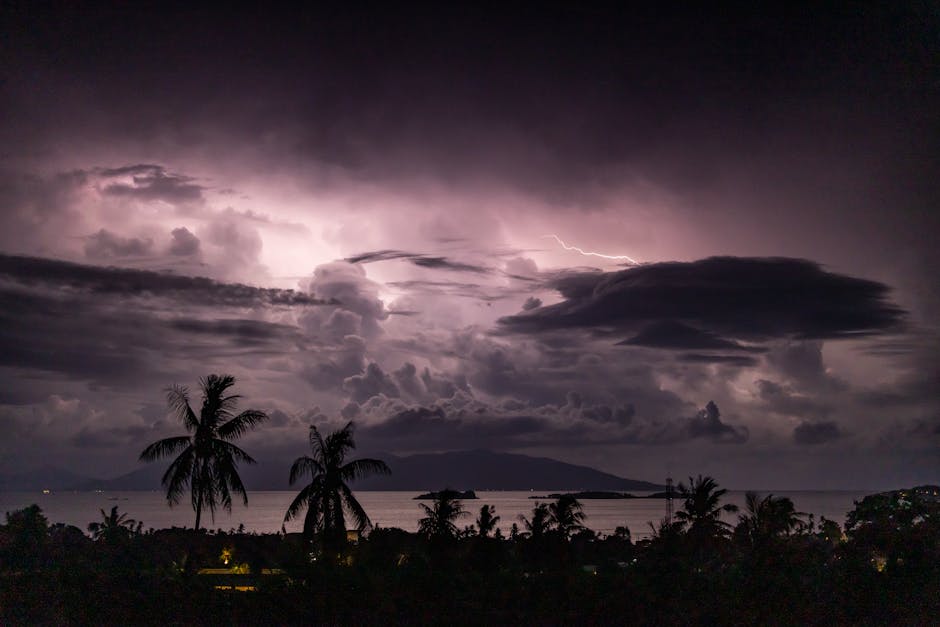
Lightning over palm trees and a coastline at dusk during a tropical storm

Every South Florida family knows the June routine. The shutters come out of the garage. Somebody makes the Publix run for water and batteries. The generator gets a test start. By the time the first named storm spins up off the coast of Africa, most Broward County households are reasonably ready for the physical side of a hurricane.

And then the storm passes, and the hard part begins — the insurance claims, the lost paperwork, the scramble to prove who owns what, the family member who cannot make a decision because no one was named to make it. The households that recover fastest are not the ones with the most plywood. They are the ones who did the paperwork before June 1.

This is the financial-readiness checklist — the half of hurricane prep that has nothing to do with the hardware store. It is the part we walk our clients through every spring, and it takes one quiet afternoon to finish.

Key takeaways

  • NOAA's 2026 outlook calls for 8 to 14 named storms, with 3 to 6 hurricanes — a below-normal season, but it only takes one.1
  • Only 51% of Americans currently own life insurance, down from 63% in 2011 — the single biggest gap in most families' storm plan.2
  • A power of attorney and an advance directive must be signed and notarized before a crisis — not during one.
  • A permanent move after a storm is a qualifying life event — you can change ACA or Medicare coverage outside open enrollment.
  • Assemble a financial go-bag — policies, IDs, deeds, and a medication list — in one waterproof folder you can grab in 60 seconds.

1. A “below-normal” forecast is still a hurricane season

On its 2026 outlook, NOAA forecast a below-normal Atlantic hurricane season: 8 to 14 named storms, of which 3 to 6 are expected to become hurricanes and 1 to 3 could become major hurricanes of Category 3 or higher.1 The agency put a 55% probability on a below-normal season, citing a developing El Niño that tends to suppress Atlantic storm formation.

It is tempting to read that as a quiet year and skip the prep. Do not. A seasonal forecast counts how many storms form across the entire Atlantic basin — it says nothing about where they go. Your household is not exposed to a season; it is exposed to a single storm making a single landfall near your single home.

Measure2026 NOAA outlookAn average season
Named storms8 – 1414
Hurricanes3 – 67
Major hurricanes (Cat 3+)1 – 33
Source: NOAA 2026 Atlantic Hurricane Season Outlook.1

South Florida already knows this in its bones. Hurricane Andrew flattened southern Miami-Dade in August 1992 — in a season that produced only a handful of named storms and was, by the numbers, a quiet year.3 A calm forecast and a calm season are not the same thing, and neither one protects a specific street in Hollywood or Pompano Beach.

What the forecast actually tells you

A seasonal outlook is a planning tool for emergency managers and insurers, not a personal risk score. Whether NOAA predicts 8 storms or 20, your financial preparation for the one that matters is exactly the same. Treat every June 1 as if your number could come up — because once is all it takes.

2. Build your family's financial go-bag

If you had 60 seconds to leave your home, could you put your hands on every document your family would need to rebuild? For most households the honest answer is no — the policies are in a drawer, the deed is “somewhere,” and the passwords are in someone's head. FEMA's preparedness guidance is blunt about this: financial readiness is part of emergency readiness, and it recommends keeping critical documents together in one secure, portable place.4

We call it the financial go-bag: one waterproof, sealable folder — with a second copy stored digitally or with an out-of-area relative — holding everything below.

A couple at a kitchen table organizing household financial documents and policies
One quiet afternoon in May is enough to assemble a financial go-bag the whole family knows how to find.
What to includeWhy it matters after a storm
Photo IDs, passports, Social Security cards, birth and marriage certificatesRequired to file claims, access aid, and prove identity if records are destroyed.
Insurance policies — life, health, homeowners or renters, auto, floodPolicy numbers and carrier contacts let you file within hours, not weeks.
Property deed or lease, vehicle titlesProof of ownership for damage claims and disaster assistance.
Will, power of attorney, advance directiveThe documents that let your family act if you cannot — see section 4.
Most recent tax return and a list of financial accountsEstablishes income and assets for aid programs and insurance.
Medication list, Medicare and health-insurance cardsLets any pharmacy or clinic treat your family if you are displaced.
Photos or video of your home and belongingsA walk-through video on your phone is the fastest proof of pre-storm condition.

The mistake we see every year

Families store everything in a single fireproof box at home — and a fireproof box is not a flood-proof box, and it does not help if the house is unreachable. Always keep a second copy off-site: a secure cloud folder, or a sealed envelope with a relative who lives outside the evacuation zone.

3. Life insurance: the protection most families are short on

Of every item in the go-bag, life insurance is the one most South Florida families are quietly missing. According to LIMRA's 2025 research, just 51% of American adults own life insurance — down sharply from 63% in 2011.2 Roughly 100 million adults say they need coverage, or need more than they have.

Share of U.S. adults who own life insurance
2011
63%
2025
51%

Source: LIMRA 2025 Insurance Barometer Study.2

Why the gap? LIMRA found that 66% of people without coverage blame cost or competing priorities — yet about three out of four Americans badly overestimate what life insurance actually costs.2 For a healthy adult in their 30s or 40s, a term life policy that would carry a family through a mortgage and a child's school years often costs less per month than a phone plan.

51%
of U.S. adults own any life insurance.2
~100M
adults say they need or need more coverage.2
66%
cite cost or other priorities as the reason they have not bought.2
3 in 4
Americans overestimate what coverage costs.2

Hurricane season is a practical reason to stop deferring the conversation. A storm is the kind of low-odds, high-cost event that life insurance exists for, and a policy review takes one short appointment. Two things to check this spring: first, whether you have coverage at all; second — just as important — whether the beneficiary on any existing policy is still the person you would choose today. Old policies routinely still name an ex-spouse or a parent who has passed. Updating a beneficiary is free and takes minutes.

“The families who recover fastest are not the ones with the most plywood — they are the ones who did the paperwork before June 1.”

As an independent brokerage, we compare term, whole, and final-expense life insurance across the carriers we represent — and because carriers pay us at a standardized rate, our recommendation is shaped by your family's needs, not by a quota.

4. Powers of attorney and advance directives

A hurricane is, among other things, a sudden test of who in your family is allowed to act. If a parent is hospitalized, evacuated, or simply unreachable, who can sign for an insurance claim, access a bank account, or make a medical decision? Without the right paperwork, the answer can be “no one” — until a court appoints someone, which is slow and expensive at exactly the wrong moment.

Two documents close that gap. A durable power of attorney lets a person you trust handle financial and legal matters if you cannot. A health-care advance directive (in Florida, often a designation of health-care surrogate paired with a living will) lets someone make medical decisions and states your wishes in advance. In Florida, these documents generally must be properly witnessed and signed — and a power of attorney is far stronger and harder to challenge when it is notarized.

Notarize before the season, not during it

A notary cannot help you the day a storm is bearing down. Get powers of attorney, directives, and any affidavits signed and notarized in May or early June, while everyone is calm and available. JCKC offers mobile and in-office notary service across Broward County — we can come to you.

Store the signed originals in the financial go-bag, give copies to the people named in them, and make sure your family knows the documents exist. A power of attorney no one can find is no better than one that was never signed.

One afternoon, the whole checklist

Not sure where your family's gaps are?

A free review covers your life coverage, your documents, and your health plan — in English, French, Creole, or Spanish.

Call (954) 825-9923 Schedule online

5. Don't let a storm interrupt your health coverage

A major storm displaces families — sometimes for a week, sometimes permanently to a new ZIP code. That matters for health insurance, because most ACA and Medicare plans are built around a local network of doctors and hospitals. A move can leave you outside your plan's service area, and a hurricane can disrupt your ability to pay a premium on time.

The good news: the system has built-in flexibility for exactly these situations. A permanent move is a qualifying life event that opens a Special Enrollment Period — generally a 60-day window — to pick a plan that fits your new area, even outside the normal Open Enrollment dates.5 Medicare offers parallel Special Enrollment rights for a move, and federal officials have also opened disaster or emergency Special Enrollment Periods after major hurricanes for residents of affected counties.

Life eventWhat you can doWindow
You move to a new permanent addressChoose a new ACA Marketplace or Medicare plan for the new area~60 days
You lose existing coverageEnroll in a Marketplace plan outside Open Enrollment60 days
FEMA-declared disaster affects your countyA disaster Special Enrollment Period may be opened for affected residentsAnnounced per event
Marriage, a new baby, or other household changeAdd dependents or change your plan60 days
Special Enrollment basics. Confirm current rules at HealthCare.gov.5

Two practical moves before the season: keep your insurance cards and a current medication list in the go-bag so any pharmacy can help you if you are displaced; and make sure the Marketplace or your carrier has a phone number and email that will still reach you if you evacuate. If a storm does move you, call us — verifying Special Enrollment eligibility takes about five minutes.

6. Protect your tax and financial records

After a disaster, families are often asked to prove income and losses — for insurance claims, for FEMA assistance, and for the casualty-loss provisions in the tax code. Reconstructing that paper trail from nothing is miserable. Reconstructing it from a backup is routine.

Keep a copy of your most recent tax return in the financial go-bag, and a second copy in the cloud. The IRS maintains disaster-relief guidance every year: when FEMA declares a major disaster, the IRS routinely postpones filing and payment deadlines for taxpayers in the affected area, and it publishes guidance on reconstructing records that were destroyed.6 You do not have to track those announcements yourself — that is part of what a year-round tax preparer watches for you.

The five-minute backup

Open your phone's camera. Photograph every page of your insurance policies, your IDs, your deed, your most recent tax return, and the contents of each room of your home. Save it all to a secure cloud folder. That single habit turns a destroyed filing cabinet from a catastrophe into an inconvenience.

7. What this means for Broward County families

JCKC Financial Services is based in Broward County, and we prepare the same way our neighbors do. Broward's mix of coastal and inland communities — from Fort Lauderdale and Hollywood near the water to Plantation, Sunrise, and Coral Springs inland — means evacuation routes, flood risk, and recovery timelines vary street by street. The financial checklist, though, is identical everywhere: coverage, documents, and records, assembled before June 1.

Two things we hear constantly in our community deserve a direct answer. First, language: a stressful claims call is hard enough in your first language, let alone your second. JCKC works in English, French, Creole, and Spanish, so a family member can always handle the paperwork in the language they think in. Second, cost: families worry that a coverage review, a notary appointment, or a tax conversation will come with a surprise bill. A plan review with us is free, our notary fees follow Florida's standard schedule, and because carriers pay our insurance commissions, your premium is the same whether you use a broker or not.

8. Your hurricane-readiness action plan

Here is the whole financial checklist in the order we recommend tackling it. None of it requires a hardware store — just one focused afternoon.

Before June 1 — this month:

  1. Assemble the financial go-bag. Use the table in section 2. One waterproof folder, plus a digital or out-of-area copy.
  2. Review your life insurance — or get a quote if you have none. Confirm the coverage amount still fits your mortgage and family, and check that every beneficiary is current.
  3. Sign and notarize your power of attorney and advance directive. Do this while everyone is calm. We can notarize at your home or office.
  4. Photograph everything. Every policy, every ID, every room. Save it to the cloud.
  5. Confirm your contact information with your insurance carriers and, if you have a Marketplace plan, with HealthCare.gov — so they can still reach you if you evacuate.

When a storm is in the forecast:

  1. Grab the financial go-bag along with your medication and supplies.
  2. Do a fresh phone walk-through video of your home — its condition the day before the storm is powerful claims evidence.
  3. Note your insurance carriers' claims phone numbers and the policy numbers somewhere you can reach without power.

After the storm:

  1. File insurance claims as early as you safely can — the earliest claims are handled before the backlog builds.
  2. If you have moved, even temporarily, call us to check whether a Special Enrollment Period applies to your health coverage.
  3. Keep receipts for repairs, lodging, and replacements — they matter for claims and may matter at tax time.

The one deadline you cannot move

Insurance policies have to be in force before a storm is named to cover it — you cannot buy or increase coverage once a system is approaching. Whatever you want in place for this season has to be in place now. That is the entire reason this checklist is a May project, not an August one.

9. Frequently asked questions

If NOAA says 2026 will be a below-normal season, do I really need to prepare?

Yes. A seasonal forecast estimates how many storms form across the whole Atlantic — it cannot tell you whether one will reach your neighborhood. Hurricane Andrew devastated South Florida in 1992 during a season with very few named storms. Your preparation is the same regardless of the forecast, because the cost of being unprepared for the one storm that does come is enormous.

Does JCKC sell homeowners or flood insurance?

No. JCKC focuses on tax preparation, ACA / Obamacare, life insurance, Medicare, and notary services. This checklist deliberately covers the financial-readiness side of hurricane season that sits within those areas — life coverage, legal documents, health-coverage continuity, and records. For homeowners and flood policies, work with a licensed property-and-casualty agent; the document and go-bag steps here apply no matter who writes those policies.

Can I buy life insurance once a hurricane is already in the forecast?

You can generally still apply for life insurance during hurricane season, but it is far better not to wait — some carriers pause new applications or binding in areas under an active storm watch or warning. The simple rule: handle coverage decisions in the calm part of the year, not when a system is approaching.

Why does a power of attorney need to be notarized?

Florida law sets specific signing and witnessing requirements for these documents, and a notarized power of attorney is significantly harder to dispute and more readily accepted by banks and institutions. Notarizing it before hurricane season ensures it will actually work when your family needs it. JCKC provides mobile and in-office notary service across Broward County.

A storm forced us to move. Can we change our health plan now?

Very likely yes. A permanent move is a qualifying life event that opens a Special Enrollment Period — generally about 60 days — to choose an ACA Marketplace or Medicare plan for your new area, outside normal Open Enrollment. After major hurricanes, federal officials have also opened disaster Special Enrollment Periods for residents of declared counties. Call us and we can confirm your eligibility in a few minutes.

What if my documents are destroyed in a storm?

It is recoverable, but slow — which is exactly why a backup matters. The IRS publishes guidance on reconstructing records after a disaster and routinely postpones tax deadlines for FEMA-declared disaster areas. Vital records, policies, and titles can all be re-requested. A cloud backup or an out-of-area copy turns weeks of reconstruction into a quick download.

What we'll do for you

JCKC Financial Services is an independent brokerage based in Broward County. We help South Florida families with the financial side of life — tax preparation, ACA / Obamacare, life insurance, Medicare, and notary services — in English, French, Creole, and Spanish. Hurricane preparation is a natural moment to bring those pieces together.

In one free appointment, we will review whether your life insurance fits your family today and whether your beneficiaries are current; talk through the powers of attorney and directives your household should have, and notarize them for you; and make sure your ACA or Medicare coverage has a plan for keeping you covered if a storm moves you. We are paid by carriers at standardized rates, so the review costs you nothing and our advice is not steered by a sales quota.

The hardware-store half of hurricane prep you already know how to do. Let us help with the paperwork half — schedule a free consultation or call (954) 825-9923. One afternoon before June 1 is all it takes.

10. Sources

  1. National Oceanic and Atmospheric Administration. NOAA predicts below-normal 2026 Atlantic hurricane season. noaa.gov/news-release/noaa-predicts-below-normal-2026-atlantic-hurricane-season
  2. LIMRA. 2025 Insurance Barometer Study. limra.com/en/research/research-abstracts-public/2025/2025-insurance-barometer-study
  3. NOAA National Hurricane Center. Hurricane Andrew (1992) — Tropical Cyclone Report. nhc.noaa.gov/data/tcr
  4. U.S. Department of Homeland Security / FEMA. Financial Preparedness — Ready.gov. ready.gov/financial-preparedness
  5. HealthCare.gov. Special Enrollment Periods — Qualifying Life Events. healthcare.gov/coverage-outside-open-enrollment/special-enrollment-period
  6. Internal Revenue Service. Tax relief in disaster situations / Reconstructing records. irs.gov/newsroom/tax-relief-in-disaster-situations

Disclaimer: JCKC Financial Services is a private licensed insurance brokerage. We are not connected with or endorsed by the United States government, the federal Medicare program, FEMA, or any state agency. JCKC does not sell homeowners, flood, or property-and-casualty insurance. Insurance plan availability, pricing, and terms vary by carrier, ZIP code, and individual circumstances; legal documents such as powers of attorney are subject to Florida law. This article is for general information only and is not legal, tax, or financial advice or a substitute for personalized guidance from a licensed professional.

Ready for hurricane season — on paper, too?

Free consultation, in four languages.

Skip to content