


If you take regular prescriptions and you’re on Medicare, you already know the old math: a single specialty drug could run into the thousands of dollars a year, and there was no limit — the more your medications cost, the more you paid, all year long. That era is over. Under the Inflation Reduction Act, Medicare Part D now has a hard annual cap on your out-of-pocket prescription costs, and for 2026 that cap is $2,100.1
Once your out-of-pocket spending on covered drugs reaches $2,100 in a calendar year, you pay $0 for the rest of the year on those medications. For a South Florida retiree managing diabetes, heart disease, or a cancer therapy, that’s not a small tweak — it can be the difference between filling a prescription and skipping it. And a second, quieter change — the Medicare Prescription Payment Plan — lets you spread even that $2,100 across the year in level monthly amounts instead of paying it in big lumps at the pharmacy.2
A quick, important note before we start: we are a licensed independent brokerage, not the government. Medicare is a federal program, and nothing here is connected with or endorsed by the U.S. government or the federal Medicare program. Our job is to translate the rules into plain language and help you choose a drug plan that fits your medications and your budget.
Key takeaways
- In 2026, your out-of-pocket Part D drug costs are capped at $2,100 for the year — up from $2,000 in 2025. After that, covered drugs cost you $0.1
- The old “donut hole” coverage gap is gone. Part D now has three simple phases: deductible, then a 25% share, then the cap.1
- The new Medicare Prescription Payment Plan (M3P) lets you spread your costs across the year in monthly bills — no interest, no fees.2
- Insulin stays at $35 a month or less, and recommended vaccines (like shingles) are $0.4
- For the first time, Medicare has negotiated prices on 10 costly drugs — effective January 1, 2026.3
1. What changed — and why it matters now
The changes you’re seeing didn’t happen all at once. They are the final steps of a multi-year redesign of Medicare Part D written into the Inflation Reduction Act, phased in from 2024 through 2026:
- 2024: Medicare eliminated the 5% coinsurance that beneficiaries used to pay even after reaching catastrophic coverage — so very high drug spending stopped being open-ended.
- 2025: The famous “donut hole” coverage gap disappeared, and a firm out-of-pocket cap of $2,000 took effect for the first time. The Medicare Prescription Payment Plan launched.5
- 2026: The cap rises with inflation to $2,100, and the first federally negotiated drug prices take effect.13
Why does this matter now, in the middle of the year? Because the choices you make this fall — during Medicare’s Annual Enrollment Period, October 15 to December 7 — determine which drug plan you have in 2026 and how these rules play out for your specific medications. The cap is the same across every Part D plan, but premiums, deductibles, pharmacy networks, and which drugs are on the formulary are not. Understanding the new landscape before you choose is how you actually capture the savings.
2. The $2,100 out-of-pocket cap, explained
Here is the single most important number for 2026: $2,100. That is the most you will pay out of pocket for covered Part D prescription drugs in the calendar year. Once your spending reaches it, you pay nothing more for covered drugs until the year resets.1
A few details make this cap work the way it should:
- What counts toward the cap: your deductible, copays, and coinsurance for covered drugs all count. In other words, the real money you spend at the pharmacy.
- What doesn’t count: your monthly Part D premium is separate and does not count toward the $2,100. Drugs your plan doesn’t cover also don’t count — another reason the plan’s formulary matters.
- It resets every January. The cap is annual, so it starts over at the beginning of each year.
“For the first time in Medicare’s history, there is a firm ceiling on prescription costs. No matter how expensive your medications are, in 2026 you will not pay more than $2,100 out of pocket for covered drugs.”
Who benefits most
If your drugs are inexpensive generics, you may never reach $2,100 — and that’s fine. The cap is a safety net for the people who need it most: anyone on a high-cost brand-name or specialty medication, where a single drug used to blow past $2,000 in out-of-pocket costs by spring. For those households, this is real, immediate relief.
3. How Part D works in 2026: the three phases
With the donut hole gone, Part D is simpler than it has been in years. In 2026 your drug coverage moves through just three phases:
| Phase | What you pay |
|---|---|
| 1. Deductible | You pay 100% of drug costs until you meet the plan deductible — up to $615 in 2026 (some plans set it lower or $0).1 |
| 2. Initial coverage | You pay 25% of the cost of covered drugs (your plan pays the rest) until your out-of-pocket total reaches the cap.1 |
| 3. Catastrophic | Once you hit $2,100 out of pocket, you pay $0 for covered drugs the rest of the year.1 |
The old fourth stage — the coverage gap where you suddenly paid a larger share — no longer exists. That’s a genuine simplification: you move from your deductible, to a steady 25% share, to $0. No surprise jump in the middle of the year.
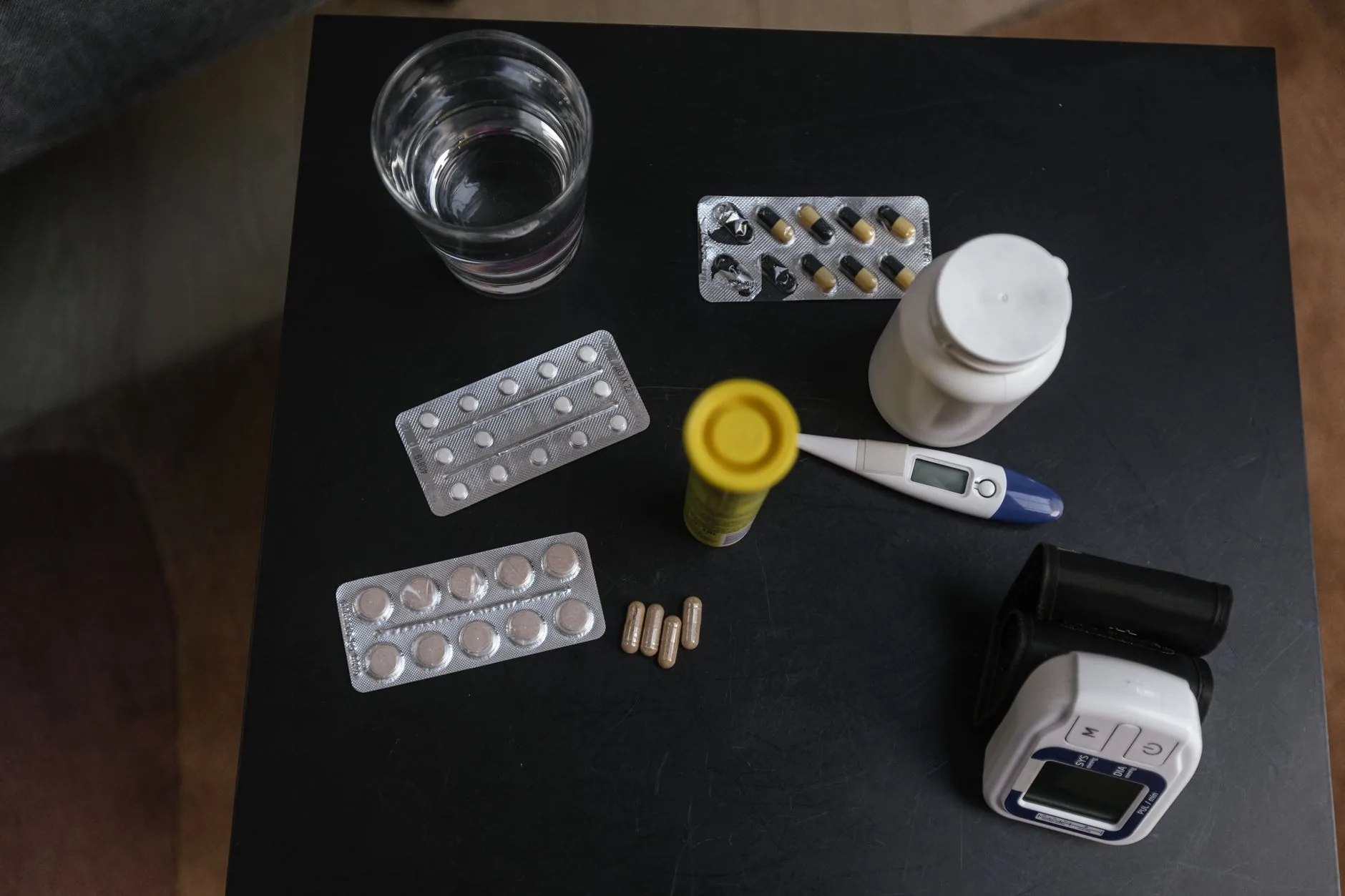
4. Spreading the cost: the Medicare Prescription Payment Plan
Here is the change most people haven’t heard about, and it can matter as much as the cap itself. The Medicare Prescription Payment Plan — sometimes called M3P — lets you spread your out-of-pocket drug costs across the calendar year in monthly payments instead of paying the full amount at the pharmacy counter each time.2
Think about what the cap alone doesn’t solve. If you fill an expensive specialty prescription in January, you could hit a large chunk of your $2,100 in a single month. The cap limits your total for the year — but you’d still owe a lot up front. The payment plan fixes the timing: instead of a big bill in January, your plan bills you in level monthly amounts spread over the remaining months of the year.
- No added cost. There is no interest and no fees to use the program — you’re paying the same total, just on a smoother schedule.2
- It’s optional and you opt in. You choose whether to participate. You can sign up before the year starts or during the year.
- New for 2026: it auto-renews. If you’re enrolled, your participation carries into the next year automatically unless you opt out.2
- Timing matters. Starting earlier in the year — January through September — gives you more months to spread the payments, so each monthly amount is smaller.2
Is the payment plan right for you?
M3P helps most if you have high drug costs, especially early in the year, and prefer predictable monthly bills over big pharmacy charges. It may not help if your drug costs are low and steady — you’d simply be moving small amounts around. It doesn’t lower your total cost; it changes the timing. We can look at your prescriptions and tell you whether it’s worth enrolling.
5. Insulin, vaccines, and the $35 rule
Two protections that started under the Inflation Reduction Act continue in 2026, and they matter to a lot of South Florida households:
- Insulin is capped at $35 a month (or less) for each covered insulin product — and you don’t have to meet your deductible first to get that price.4
- Recommended adult vaccines are $0. Vaccines recommended for adults — including the shingles vaccine — are covered under Part D with no cost-sharing.4
If you or a family member has been rationing insulin or putting off the shingles shot because of cost, these rules are worth acting on. They apply regardless of which Part D plan you choose — but as always, confirm your specific insulin product is on your plan’s formulary.
6. The first negotiated drug prices
For the first time in Medicare’s history, the federal government has negotiated prices directly with drug manufacturers. The first round covers 10 widely used, high-cost drugs, and the negotiated “maximum fair prices” take effect January 1, 2026.3
The first ten include some of the most common medications among older adults — blood thinners and diabetes drugs such as Eliquis, Jardiance, and Januvia, among others — with negotiated discounts reported in the range of roughly 38% to 79% off the list price.3 If you take one of these drugs, the lower negotiated price flows through your Part D coverage, which can reduce what you pay and slow how fast you move toward the cap.
This list will grow
The 10 drugs are just the first round; Medicare is scheduled to negotiate more medications in the years ahead. The practical takeaway for 2026: if one of your prescriptions is on the negotiated list, factor the new lower price into your plan comparison this fall — it can change which plan is cheapest for you.
7. What this means for your wallet
Put the pieces together and the 2026 picture is genuinely better for anyone with real drug costs:
- A firm ceiling. No covered-drug scenario in 2026 costs you more than $2,100 out of pocket for the year. Before the redesign, high-cost patients routinely paid far more.
- Smoother timing. Even that $2,100 can be spread across the year with the payment plan, so a January specialty fill doesn’t wreck your monthly budget.
- Predictable structure. Deductible, 25%, then $0 — no donut-hole surprise.
- Lower prices on key drugs. If you take a negotiated medication, your cost may drop further.
What the cap does not do is choose the right plan for you. Two people on the same street with the same $2,100 ceiling can pay very different totals depending on their plan’s premium, deductible, and whether their specific drugs are covered and preferred. That comparison — matching a plan to your actual medication list — is where the savings are won or lost.

8. A South Florida lens
A few things make these changes especially relevant in Broward County:
- A large Medicare-age population. South Florida is home to a big community of retirees and older adults, many managing multiple chronic conditions — exactly the people the $2,100 cap and the payment plan are built to protect.
- One of the most competitive plan markets in the country. There are many Part D and Medicare Advantage drug plans here, which is good for choice but makes an unbiased comparison more valuable, not less.
- Language matters. Drug-plan rules are confusing in any language. We walk clients through their options in English, French, Creole, and Spanish, so the decision is made in the language you think in.
- Fixed incomes. For households living on Social Security, the difference between a well-matched plan and a poorly matched one can be hundreds of dollars a year. That’s real money for groceries, rent, or a grandchild’s birthday.
One team, four languages
Not sure your drug plan still fits? Let’s check before Annual Enrollment.
We’ll compare your medications against the 2026 plans — and explain the cap, the payment plan, and your options in English, French, Creole, or Spanish, at no cost to you.
9. Your action plan for this year
- List your medications. Write down every prescription you take, the dose, and roughly what you pay now. This list is the single most useful thing you can bring to a plan review.
- Check the negotiated list. If any of your drugs are among the first 10 negotiated medications, note it — the new 2026 price may change which plan is cheapest.
- Decide about the payment plan. If your costs are high or front-loaded early in the year, consider the Medicare Prescription Payment Plan so you can spread the $2,100 over monthly bills.
- Mark October 15–December 7. That’s the Annual Enrollment Period — the window to compare and switch drug plans for 2026. Plans change every year; the one that was best last year may not be this year.
- Compare on total cost, not just premium. The cheapest premium can hide a high deductible or a formulary that doesn’t cover your drugs. Look at what you’ll actually pay across the whole year.
- Ask for help. A licensed agent can run your medication list against the plans we offer in your area at no cost to you — and flag whether the payment plan makes sense.
10. Frequently asked questions
What exactly is the Medicare drug cost cap in 2026?
In 2026, the most you pay out of pocket for covered Part D prescription drugs is $2,100 for the calendar year. Your deductible, copays, and coinsurance count toward it; your monthly premium does not. Once you reach $2,100, you pay $0 for covered drugs for the rest of the year, and the cap resets each January.
Is the $2,100 cap automatic, or do I have to sign up?
The cap is automatic — it applies to every Medicare Part D plan and every Medicare Advantage plan that includes drug coverage. You don’t enroll in the cap. You do, however, choose your Part D plan, and that choice affects your premium, deductible, and which drugs are covered.
What is the Medicare Prescription Payment Plan, and does it cost extra?
It’s an optional program that lets you spread your out-of-pocket drug costs across the year in monthly payments instead of paying in full at the pharmacy. There is no interest and no fee — you pay the same total, just on a monthly schedule. It doesn’t lower your costs; it changes the timing. For 2026, participation auto-renews unless you opt out.
What happened to the “donut hole”?
It’s gone. The old coverage gap was eliminated as part of the Inflation Reduction Act redesign. Part D now has three phases: you pay your deductible, then 25% of covered drug costs, then $0 once you reach the annual cap — with no gap in between.
Does the cap cover insulin and vaccines too?
Insulin has its own protection: it’s capped at $35 a month or less per covered product, and you don’t have to meet your deductible first. Recommended adult vaccines, like shingles, are $0 under Part D. These apply on top of the overall $2,100 out-of-pocket cap.
Does JCKC charge to help me choose a drug plan?
No. Like most licensed Medicare brokers, we’re compensated by the insurance carriers when you enroll, so our help comparing plans and explaining the cap and payment plan is free to you — and your plan doesn’t cost more for using an agent.
What we'll do for you
JCKC Financial Services is an independent brokerage based in Broward County. We help South Florida families with the financial side of life — Medicare, ACA / Obamacare, life insurance, tax preparation, and notary services — in English, French, Creole, and Spanish. The 2026 drug-cost changes are genuinely good news, but they only turn into savings if your plan actually fits your medications; our job is to make sure it does.
Bring us your prescription list and we’ll run it against the Part D and Medicare Advantage drug plans we offer in your area, explain how the $2,100 cap and the payment plan apply to your situation, and help you enroll in a plan that covers your drugs at the lowest realistic total cost — at no charge to you.
Don’t wait until Annual Enrollment is closing — schedule a drug-plan review or call (954) 825-9923. We’ll meet you in the office, online, or in the language you’re most comfortable with.
11. Sources
- Centers for Medicare & Medicaid Services (CMS). CY 2026 Part D Redesign Program Instructions Fact Sheet (out-of-pocket cap, deductible, benefit phases). cms.gov/newsroom/fact-sheets/draft-cy-2026-part-d-redesign-program-instructions-fact-sheet
- Medicare.gov (CMS). Medicare Prescription Payment Plan. medicare.gov/prescription-payment-plan
- Centers for Medicare & Medicaid Services. Medicare Drug Price Negotiation Program (first negotiated prices, effective 2026). cms.gov/inflation-reduction-act-and-medicare/medicare-drug-price-negotiation
- Medicare.gov (CMS). Costs for Medicare drug coverage — insulin ($35) and recommended vaccines ($0). medicare.gov/basics/costs/medicare-drug-coverage-costs
- KFF (Kaiser Family Foundation). A Current Snapshot of the Medicare Part D Prescription Drug Benefit. kff.org/medicare/a-current-snapshot-of-the-medicare-part-d-prescription-drug-benefit
- Medicare.gov (CMS). Yearly deductible for drug plans & how Part D works. medicare.gov/basics/costs/medicare-drug-coverage-costs
Disclaimer: JCKC Financial Services is a licensed independent insurance brokerage that also provides tax preparation and notary services. We are not connected with or endorsed by the U.S. government or the federal Medicare program, and we are not a law firm and do not provide legal advice. Medicare rules, the out-of-pocket cap, deductibles, insulin and vaccine provisions, and the drug-negotiation program are set by federal law and CMS and may change; the figures here reflect amounts published for 2026 and may be revised. This article is general information only and is not legal, tax, financial, or insurance advice or a substitute for guidance from a licensed professional about your specific situation.